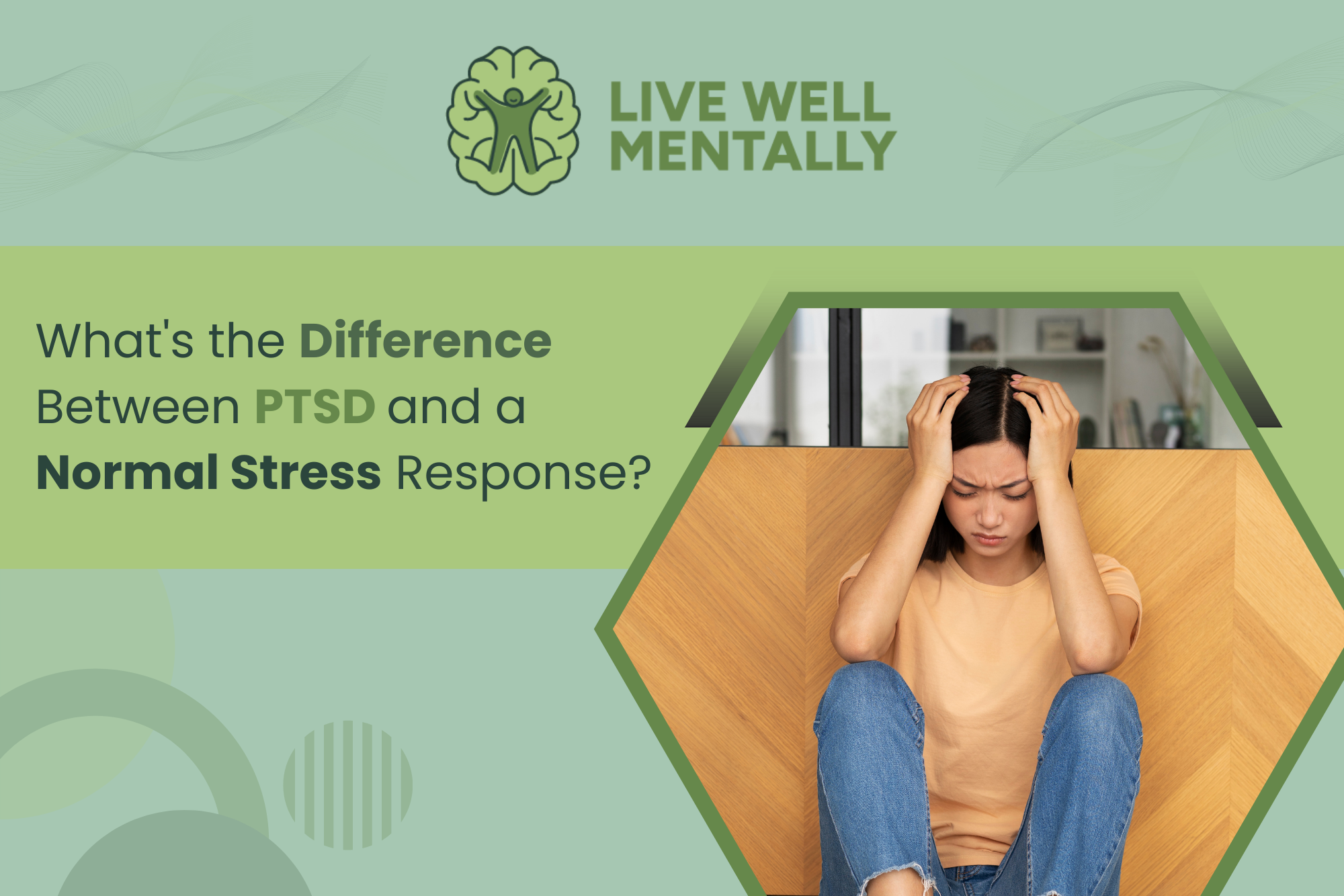
Our body and mind respond to something scary or extremely difficult. This reaction is called stress. Stress can be normal. It helps us stay safe. Stress does not fade away sometimes.
If it keeps coming back and makes life harder, it could be PTSD, or post-traumatic stress disorder.
Below, we’ll explore the difference between PTSD and a Normal Stress Response in simple terms.
What Is a Normal Stress Response?
Normal stress is short. It occurs whenever we are threatened or face a major issue. For example:
- You catch a booming sound and are startled.
- You get ready for a quiz and feel stressed for a few hours.
- You argue with your friend and feel sad for a day.
Normal stress comes and goes. You may feel tense, tired, or upset for a little while. Then you relax. You can sleep, eat, go to school or work, and do things you like again.
Normal stress is your body helping you. It keeps you alert and ready to act.
What Is PTSD?
PTSD is a serious, long-term stress response following a notably frightening or painful situation. The event might be war, a big accident, physical harm, or a serious loss. PTSD may also occur following harassment, intense medical treatment, or other frightening experiences.
People with PTSD do not necessarily improve on their own. The anger, fear, or unpleasant memories can persist for weeks, months, or even years. PTSD may render leading a normal life difficult.
At Live Well Mentally, we know that PTSD is not a weakness; it is a condition of health that should be taken care of, understood, and professionally supported.
How to Tell the Difference Between PTSD and a Normal Stress Response
The following are easy methods for distinguishing between them:
Time: The normal stress tends to pass within days or weeks. PTSD does not end in less than one month.
Intensity: Normal stress may seem intense, but it suits the occasion. The feelings of PTSD are quite intense and manifest out of context or at times during a period when the danger has passed.
Memory and Fear: Under normal stress, the memories are like memories. Memories may also seem like they are being experienced in the present with PTSD. Nightmares and flashbacks characterize PTSD.
Avoidance and Change: People with PTSD often avoid things that remind them of the event and may change how they feel about life. Normal stress does not transform the life of a person on a large scale in the long term.
Daily Life: People do not normally get prevented from working, learning, or family life due to normal stress. These things are usually difficult for those with PTSD.
These differences can make you realize when to seek professional help. Live Well Mentally gives advice to identify these signs and make a necessary move toward recovery.
How PTSD Is Diagnosed
To diagnose PTSD, mental health specialists will ask about your experiences. They look at:
- How long have symptoms lasted
- How intense they are
- How they affect daily life
At Live Well Mentally, our team carefully assesses each individual to determine whether symptoms indicate PTSD or a normal stress response so that you can get the right care.
Treatment Options That Help
PTSD can be managed, and numerous individuals heal with the appropriate assistance. Treatment may include:
- Talk Therapy: A therapist teaches you coping methods. You confront memories and overcome fears.
- Medicine: Some people get medicine that helps their mood or sleep. A doctor decides if medicine is right.
- Skill Practice: Breathwork, stress-relief routines, and shifting the daily pattern can help the body feel less tense.
In several situations, combining therapy and treatment leads to the best results.
How Live Well Mentally Can Support You
Live Well Mentally provides sensitive assistance to people with PTSD. We assist children, teenagers, and adults. You receive care at home with the help of telehealth.
Our Services Include:
- Personalized therapy tailored to your needs
- Medication management is helpful
- Evidence-based treatment approaches
- Resources that aid you in realizing valuable goals in life, education, and work
If you or your child are struggling after a tough event, Live Well Mentally is here to listen, guide, and support your healing journey.
What to Do Next
If you think you or someone you care about might have PTSD:
- Reach out to a medical professional or a counselor.
- Request a secure and confidential visit. You can talk at home with the help of telehealth.
- Get support from friends, family, or a trusted adult while you look for care.
You don’t have to manage this by yourself. The right care and support help.
Closing Words
Stress is normal. It helps us survive. But if stress does not go away and makes life hard, it could be PTSD. PTSD is treatable. With help, people find safety and strength again.
Live Well Mentally will assist you in that direction. You can call and get a consultation in case you require support. You need attention that will give you a feeling of good health and living a good life.
Get a consultation with Live Well Mentally to start healing.
FAQs
Do I need medication for PTSD?
Not always. Some people benefit from medicine for sleep, mood, or anxiety. Others heal through therapy alone. At Live Well Mentally, care plans are personalized.
Are people with PTSD dangerous?
No. PTSD individuals are not violent. They are struggling with fear and stress.