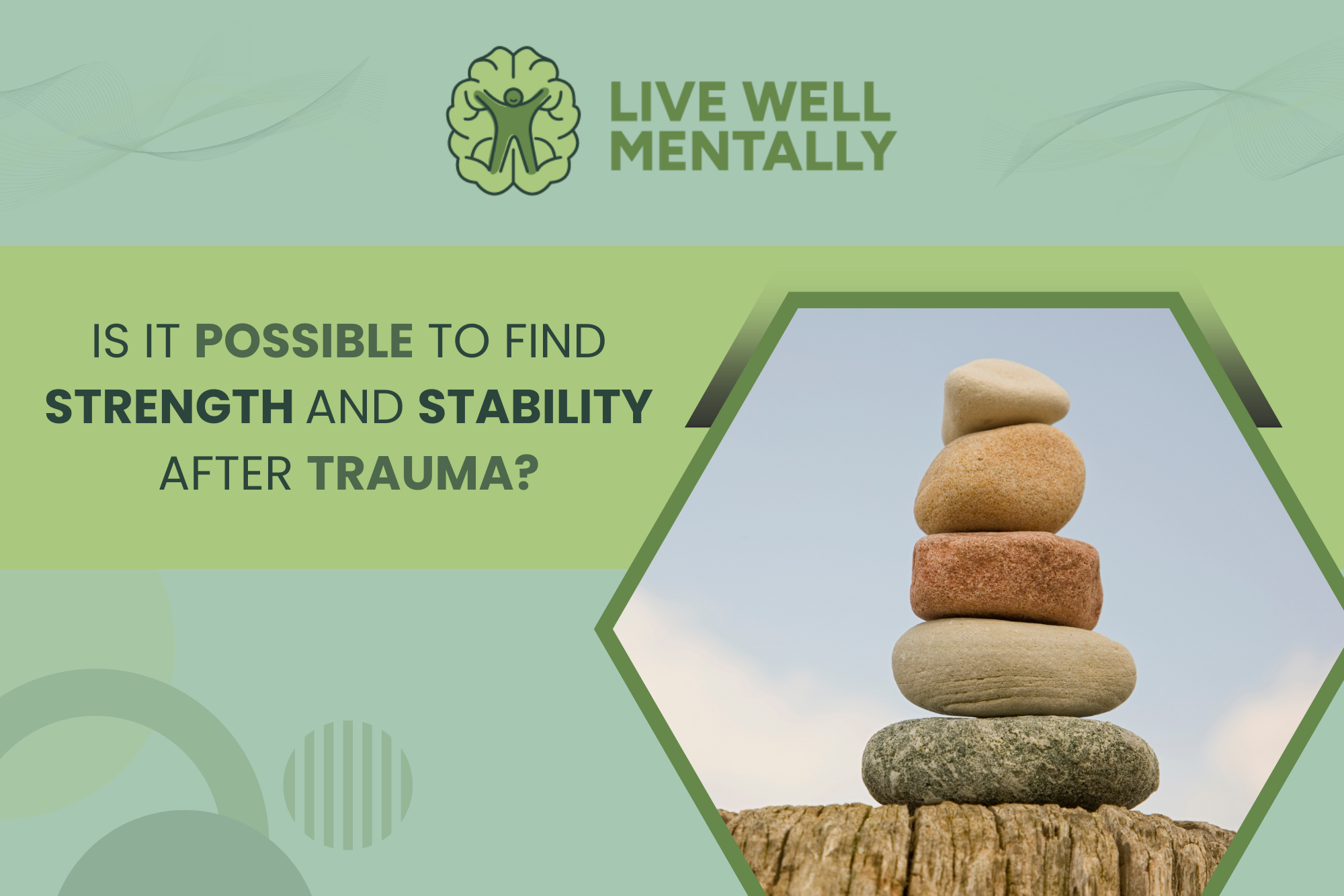
Trauma feels like a storm inside. It makes you scared, tired, or disconnected. But you can find strength and stability. You can heal step by step. You’ll feel safe again and trust your life and feelings.
What Is Trauma?
Trauma is what happens when something very scary or painful touches your life. It can be one big event, or many hard things over time. Trauma can change how you think, feel and act. It can affect sleep, mood and safety.
Why Healing Feels Hard
Healing takes time. Your body and mind try to protect you. That is normal. Sometimes protection makes life feel tight or stuck. You may feel angry, sad, or numb. That does not mean you will stay that way.
Safety First
The first step is safety. We need to feel safe in our bodies and our world. Safety can mean:
- A safe place to sleep.
- People who listen and do not judge.
- A plan for hard times.
Small changes can help you feel safer right away. Lock your door. Tell a friend when you feel scared. Keep a list of people to call.
Small Steps Build Strength
Strength after trauma grows from small acts. You do not need to fix everything at once. Try one tiny goal each day:
- Walk for five minutes.
- Drink a glass of water.
- Sit outside for a minute.
Each small step tells your brain you can handle things. Over time, the small steps make a big change.
Routine Helps Stability
A simple routine can calm your body and mind. Try a gentle daily plan:
- Wake up at about the same time.
- Eat a small healthy meal.
- Move your body a little.
- Sleep at a regular hour.
Routines are like rails on a train. They help you move forward even when you feel shaky.
Grounding and Breathing Tools
When you feel scared or stuck, grounding and breathing can help fast.
5-4-3-2-1 grounding
- Name 5 things you see, 4 things you touch, 3 things you hear, 2 things you smell, 1 thing you taste.
Breath count
- breathe in for 4, hold 1, breathe out for 4.
These tools send a message to your body that you are safe now.
Talk Therapy and Trauma-Focused Therapy
Talking with someone who cares can help a lot. Therapy helps you name your feelings. It helps you learn new ways to cope. There are kinds of therapy that focus on trauma. They teach skills to feel safe, think clearly and feel calm.
At Live Well Mentally, we treat trauma and related issues such as PTSD, anxiety and depression. We help people of all ages. Therapy can be one part of your healing plan.
Medication When Needed
Sometimes medicine helps. Medicine can lift heavy fogs of sadness or worry. It can make therapy work better. A trained provider can guide this choice.
Theresa Antwi, MSN, APRN, PMHNP-BC, is a board-certified nurse practitioner. She helps people in Connecticut. She sees patients aged 7 and up. Theresa offers talk therapy and medication management with care and respect. If medicine might help you, a provider like Theresa can explain the options.
Keep Relationships Close
You do not have to heal alone. Safe and kind people matter. A friend who listens, a family member who checks in, or a support group can be very helpful. Tell one person what you need. Ask for small kindnesses. It is okay to let people help.
Set Gentle Limits
After trauma, we often need limits to feel safe. Saying no is a strong skill. You can say:
- “I need quiet right now.”
- “Can we talk later?”
- “Please do not ask me about that.”
Limits help you protect your energy.
Celebrate Small Wins
Healing has many quiet wins. Notice them. A win can be:
- Getting out of bed.
- Talking about a memory.
- Sleeping a little better.
Celebrate these steps. They show real strength.
When Memories Return
Sometimes memories come back. This can be hard. Let yourself feel what you feel. Use grounding. Reach out to a provider. Plan a safe place to calm down. Remember that feelings will change. They will not stay forever.
Build Meaning and Hope
Finding meaning after trauma does not mean saying the pain was good. It means your life can have new parts after pain. Maybe you learn a new skill, join a group, or help someone else. Small things can bring hope.
Practical Steps You Can Try Today
- Name one safe person to call.
- Try a 3-minute breathing exercise.
- Make a small plan for tomorrow morning.
- Write one thing you are grateful for.
- Reach out to a mental health provider if you feel stuck.
How Live Well Mentally Can Help
Live Well Mentally offers care for many needs. These include PTSD, anxiety, depression, OCD, bipolar disorder, ADHD, autism spectrum disorder and more. We work with people of all ages. Our team helps with talk therapy and medication when needed. We aim to make care simple, kind and clear.
Theresa Antwi provides personal, caring treatment. She helps people with talk therapy and medicine. She treats children, teens and adults. If you live in Connecticut and want help, a provider like Theresa can walk with you step by step.
You Are Not Alone
Recovery takes time. It is okay to move slowly. You are not weak for needing help. You are brave for trying. Strength and stability can grow back. Little by little, you will feel more like yourself.
If you feel unsafe right now, please call your local emergency number or a crisis line in your area. If you want help finding a therapist or talking to a provider, we can help you take the next step.
You can heal. You can find steady ground. We will walk with you.
FAQs
What if memories feel too strong?
Use grounding and breathing. Call someone you trust or a helper right away.
How do I start getting help?
Tell one safe person. Ask a clinic or a provider for a first visit. We can help you find the right care.