
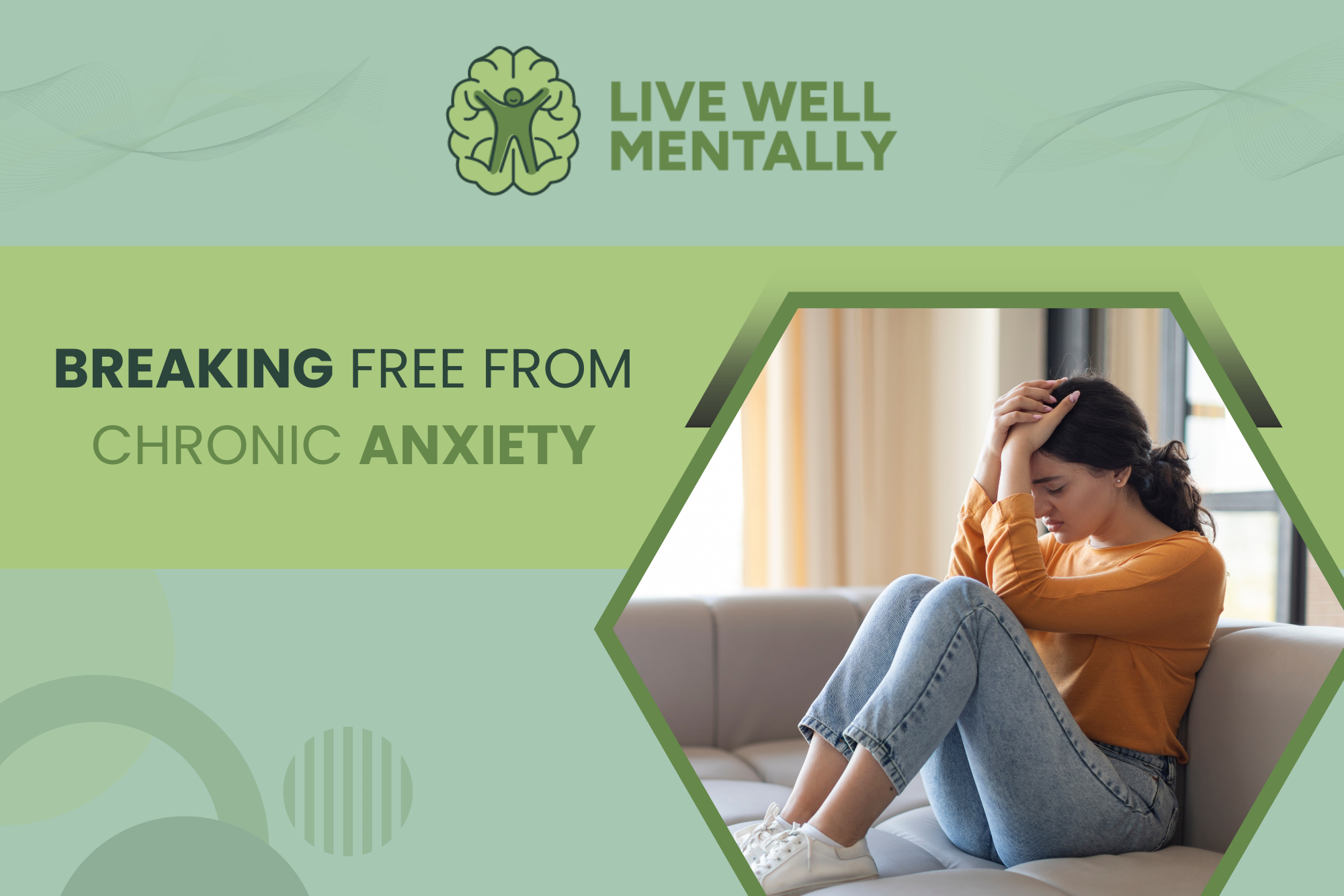
Anxiety doesn’t just visit. It moves in and takes over.
You wake up, and it is already there. Sitting on your chest. Making everything feel heavier than it should.
Simple things become hard. Sending a text. Walking into a room. Talking to someone new. Your body stays tense as if it is in danger, even though nothing is wrong.
And you are tired.
What’s Happening
The amygdala is a part of the human brain. It is your alarm system. It releases stress hormones whenever it senses any danger.
- Your heart races.
- Your muscles tense.
- You’re either bracing for battle or getting ready to run.
This worked great for our ancestors. They faced actual threats.
But your amygdala can’t differentiate between a real threat and a corporate meeting. So, it processes both the same. This is why you get anxious about meetings.
When it gets more complicated, you run away from something that fills you with dread. You get an immediate sense of calm. That’s nice.
But your brain is internalizing the wrong thing. It believes you dodged real danger.
You might recognize some of the following:
- Thinking that the worst will happen to you
- Being unable to break your routines that are built around feeling safe
- Constantly watching for the bad stuff
- Replaying the same worries without finding answers
Starting Small
Facing your fears sounds terrifying. And honestly, it kind of is at first.
But you don’t have to dive into your biggest fear. Start tiny.
If phone calls scare you, call to check a store’s hours. That’s it. If crowds are hard, go to a quiet store for ten minutes.
Stay there even when anxiety shows up. Let it rise. Then watch it come back down.
That drop, when it naturally fades, that’s your brain learning. You’re safe. Nothing bad happened. Do this enough, and your brain catches on.
Checking Your Thoughts
Anxiety lies. Constantly.
It tells you that people are judging you. That you will actually fail. That something bad will happen.
And it sounds so real you believe it.
Cognitive restructuring just means asking: Is this actually true? Where’s the proof? Has this happened before?
Most of the time it would be no.
Anxiety thinks in patterns:
- All or nothing. Perfect or disaster. No in-between.
- One bad moment means everything will always be bad.
- You focus on negatives. Ignore everything else.
- You feel scared, so you must be in danger.
Calming Your Body Down
Anxiety lives in your body too. Your tight jaw. Your shallow breathing. Your knotted stomach.
Your nervous system thinks you’re in danger. It’s stuck on high alert.
Deep breathing takes care of this. Breathe from your stomach, not your chest. Slow and steady.
This activates your parasympathetic nervous system. That’s the part that tells your body to relax.
Try progressive muscle relaxation too. Tense your muscles hard. Then release. Go through your whole body.
You’ll start noticing where you hold tension. And you’ll learn how to let it go.
Doing Things Anyway
You’re waiting to feel ready, to feel calm, to stop being anxious.
That day might never come.
Acceptance and Commitment Therapy teaches something different. You don’t wait for the anxiety to leave. You do what matters anyway.
The fear can be there. Notice it and acknowledge it. Then choose what you do based on what you care about. Not what scares you.
Progress Isn’t Linear
Some days, you are going to feel great. Almost as if you are succeeding.
Other days, you are going to feel as if you are failing. Like you are back to square one.
What matters is: Are you doing things now that you couldn’t do before? Even small things count.
Maybe you went somewhere you used to avoid. You didn’t spiral as much over a mistake. That’s progress.
Working with a mental health provider helps. They’ll give you real and useful strategies that work.
And talking to people who understand makes you feel less alone.
At Live Well Mentally, we understand anxiety. Helping people reclaim their lives is something we do every day.
Reach out today.
FAQs
How long will it take before I start feeling better?
With most people, you can start seeing changes within the first few months. Then we can adjust as needed.
Will anxiety completely go away fully?
A little anxiety is actually normal. The goal is to get it to a level where it’s not controlling everything.
What about medication?
Some people have benefited from it. You should talk to your doctor and see if it makes sense for you.